Choosing a launch monitor for driving range sessions
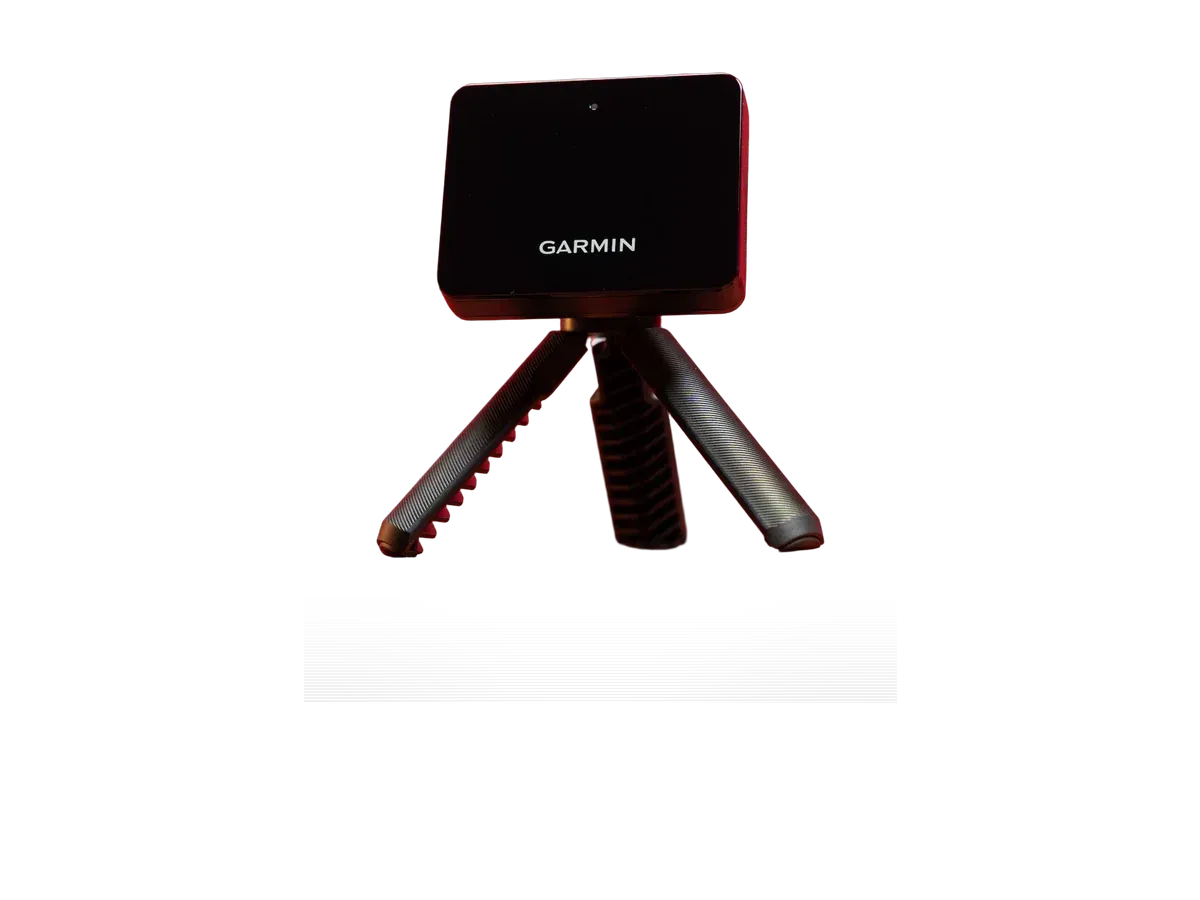
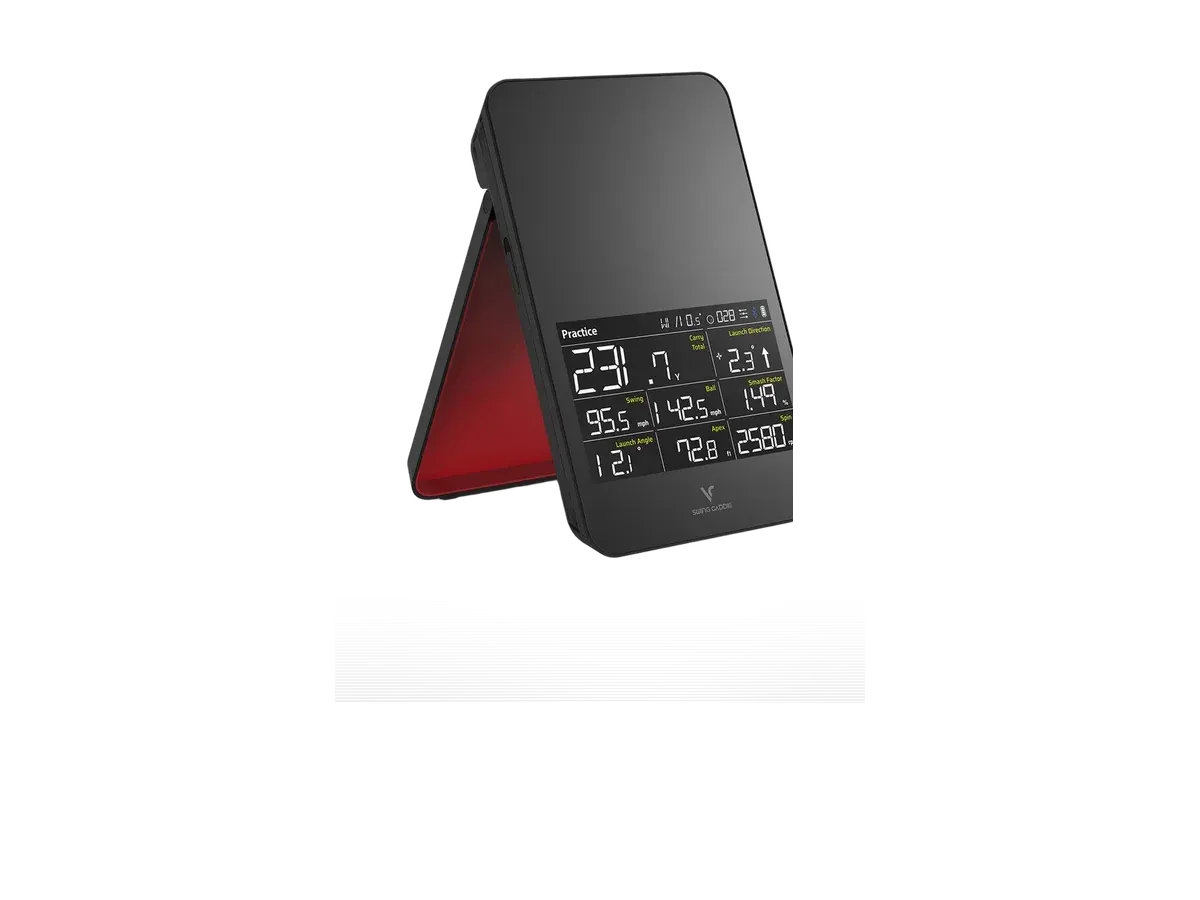
A launch monitor for driving range use faces the opposite conditions of a home sim: full ball flight, open air, and no outlet anywhere near the tee line. Based on recorded specs and tracked prices, the specs that matter flip accordingly. The Garmin Approach R10 puts a recorded 10 hours of battery in a 0.33-pound package for $499.99; the Voice Caddie SC300i records 20 hours — the longest battery figure in our data — at $399.99; and the GolfBuddy Shot Mate starts the band at $179.99 for simple entry-class session tracking.
If the same unit also needs to work indoors or travel beyond the range, the portable golf launch monitor rankings score the overlapping field with battery and weight weighted even harder.
Outdoors, the spin ranking flips
Most of our rankings favor optical spin measurement, because indoors it works on any ball. At the range the logic inverts: radar measures spin on any ball in full flight, and the marked-ball caveat that dogs radar indoors disappears in open air. This ranking’s spin criterion (up to 20 of 100 points) is scored for the outdoor case specifically — radar leads it.
Battery life matches it at up to 20 points for a simple reason: there are no outlets on the tee line, and the recorded battery figure is your session ceiling. Weight earns up to 10 — a unit under a pound disappears into the bag, one over four pounds needs its own carry plan.
Genuinely measured carry gets a 10-point flag of its own. Only full-flight outdoor tracking truly measures carry distance rather than modeling it, and the range is exactly where that recorded difference pays. Accuracy class (up to 15) makes the numbers worth writing down, price (up to 15) tracks the consumer band where range-first buyers shop, a recorded iPhone app (5) covers the display, and guided alignment (5) prevents the re-aiming errors that quietly corrupt range data. Specs the record doesn’t carry score zero.